
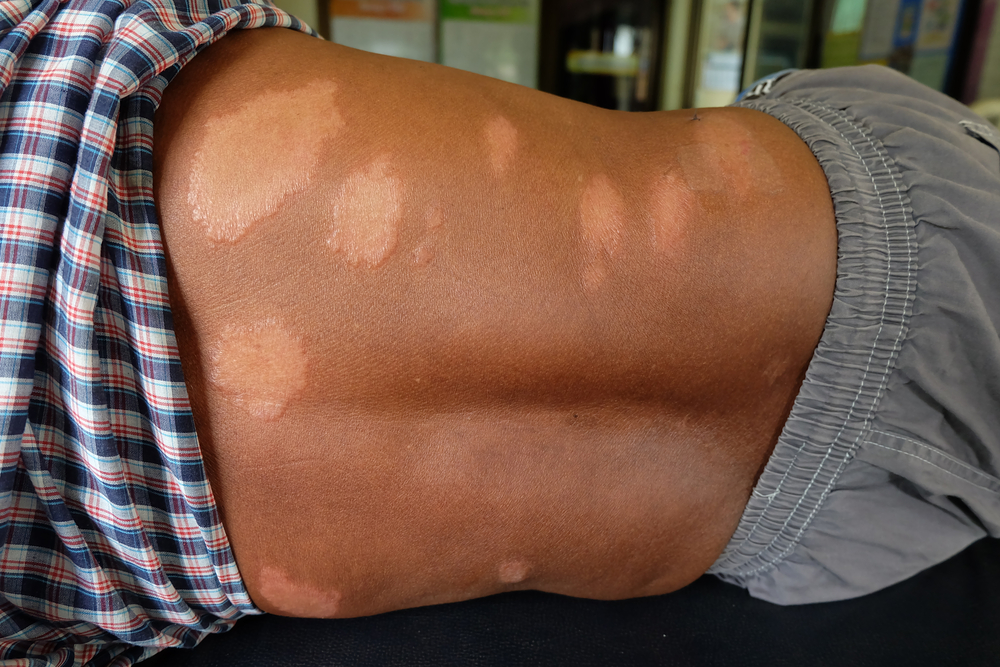
Leprosy Persists as Stigma and Late Diagnosis Keep Cases High
By Chemtai Kirui
More than 170,000 new cases of leprosy are detected globally each year, according to the World Health Organization (WHO), showcasing how a disease that has been curable for decades continues to persist amid stigma, late diagnosis and gaps in access to care.
The figures were released as the world marked World Leprosy Day on 25 January 2026, an annual observance that draws attention to Leprosy, its medical reality, ongoing transmission and the social barriers that prevent many affected people from seeking treatment early.
Leprosy, also known as Hansen’s disease, is a chronic infectious disease caused by Mycobacterium leprae, the bacterium that causes leprosy.
This bacterium is slow-growing, rod-shaped that primarily attacks the skin, peripheral nerves, eyes, and lining of the nose, primarily affecting the skin, peripheral nerves, eyes and upper respiratory tract.
When left untreated, Leprosy can lead to permanent nerve damage, disability and disfigurement.
Transmission occurs slowly and usually requires prolonged close contact with an untreated person.
Advances in treatment have transformed leprosy from a once-feared condition into a curable disease.
Multidrug therapy (MDT), a combination of antibiotics provided free of charge through a long-standing partnership between the WHO and pharmaceutical manufacturers, can cure the infection, prevent disability and stop transmission when administered early.
Yet elimination has remained elusive.
In 2024, WHO recorded 172,717 new cases worldwide, with more than 180 countries continuing to report infections. The highest burdens remain in parts of Asia, Africa and South America, where delayed diagnosis and limited health services contribute to ongoing transmission.
This year’s theme, “Leprosy is curable, the real challenge is stigma,” reflects what health experts describe as one of the most persistent obstacles to ending the disease.
Fear, misinformation and social exclusion often discourage people from seeking care, sometimes until irreversible nerve damage has already occurred.
In many communities, misconceptions about leprosy, including beliefs that it is highly contagious, incurable or linked to moral failure, continue to fuel discrimination.
Affected individuals may face isolation from families, barriers to education and loss of employment, even though the disease is medically straightforward to treat.
Public health specialists stress that early detection and prompt treatment are essential to preventing disability and breaking transmission chains.
Community-based screening, sustained awareness efforts and policies that protect the rights of affected individuals are central to global strategies aimed at reducing new cases.
However, experts caution that progress depends on sustained political commitment and funding, particularly in countries where leprosy remains endemic but competes with other public health priorities.
For many infectious disease experts, World Leprosy Day serves as both a reminder of medical progress and a call to confront stigma, a challenge that, decades after an effective cure became available, remains as damaging as the disease itself.