Kenya Urges De-escalation After U.S.–Israel Strikes on Iran
By Chemtai Kirui | Nairobi | March 3, 2026
President William Ruto has warned that the widening Middle East conflict poses a threat to global stability following the U.S.–Israeli strikes in Iran, amid unverified reports of senior Iranian casualties.
Iranian state media reported the death of Supreme Leader Ayatollah Ali Khamenei, along with the deaths of Defense Minister Aziz Nasirzadeh and Revolutionary Guard commander Mohammad Pakpour, alongside several of the Supreme Leader’s family members, though the reports have not been independently verified.
In a statement issued on Monday, Ruto condemned strikes across eight countries— the UAE, Qatar, Saudi Arabia, Iraq, Oman, Kuwait, Jordan, and Bahrain — calling the current escalation a “perilous moment in global history.”
“These developments pose a serious danger not only to the Middle East, but to the entire global order,” the presidency said.
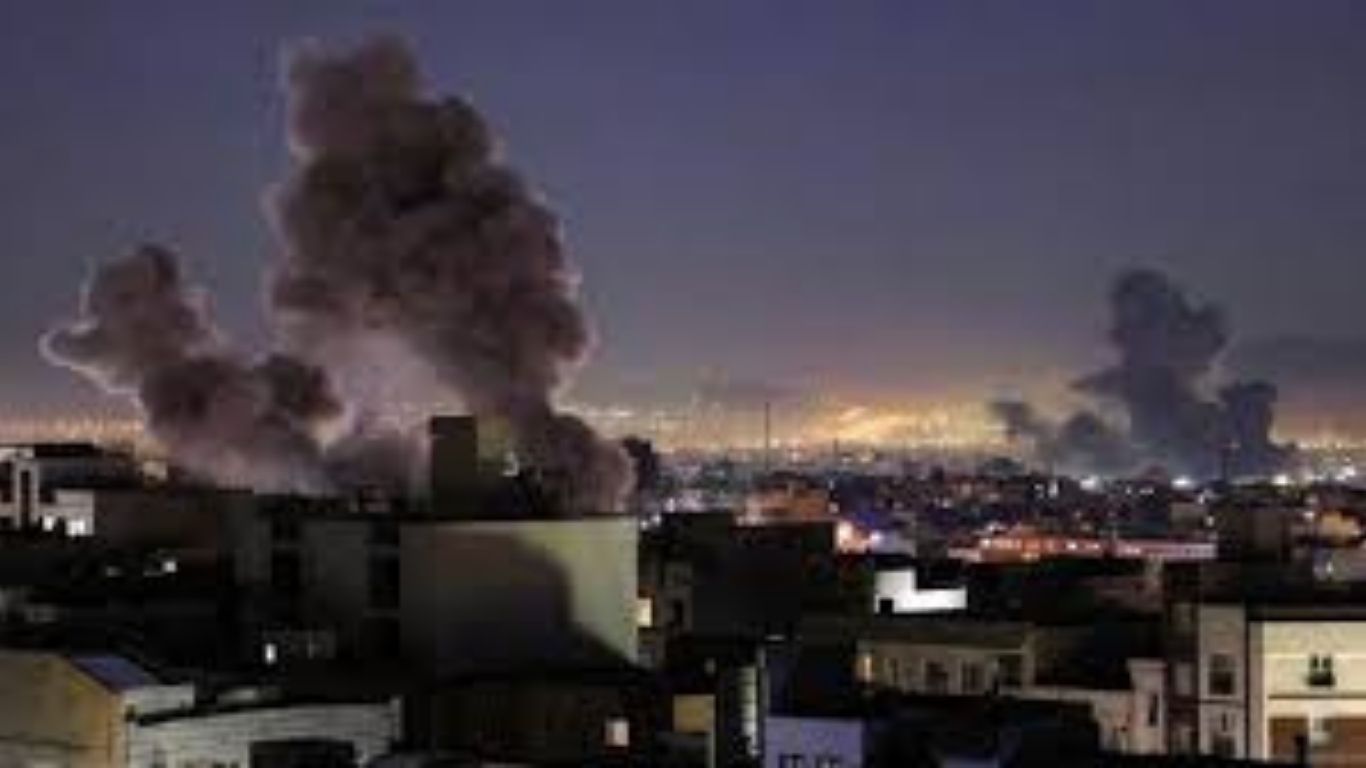
The crisis began with what U.S. and Israeli officials described as targeted strikes against Iranian military infrastructure. Iranian state media later reported the death of the country’s Supreme Leader, a development that, if confirmed, would represent a historic rupture in the Islamic Republic’s leadership.
Iran responded with missile and drone operations that extended beyond Israel, affecting airspace and security conditions in Gulf states including the United Arab Emirates, Qatar, Saudi Arabia, Kuwait and Bahrain. Airspace closures and military alerts followed across parts of the region.
The confrontation represents a significant escalation of what had previously been a shadow conflict between Israel and Iran.
For Kenya, the implications are immediate.
More than 300,000 Kenyans live and work across the Gulf, forming one of the country’s most important diaspora corridors. As flights were disrupted and security tightened, the State Department for Diaspora Affairs confirmed receiving hundreds of distress calls from citizens in the United Arab Emirates and Bahrain seeking guidance.
A 24/7 emergency consular hotline was also established for those in Saudi Arabia to coordinate potential evacuations.
The Kenyan embassy in Kuwait advised nationals to avoid airports following temporary closures.
Safety of Kenyan nationals in the region remains the immediate concern. The broader concern is economic exposure.
The conflict poses risks to Kenya’s Sh186.9 billion tea industry, which accounts for a significant share of export earnings. While Iran remains a top-five market for Kenyan tea, worth Sh4.26 billion annually, the trade relationship was already fragile following a 2025 “Cup of Joe” exporter licensing dispute, which led Tehran to temporarily suspend imports.
Any sustained disruption to the Strait of Hormuz risks pushing up global oil prices, creating immediate inflationary pressure for a net oil-importing economy like Kenya.
Amid rising anxiety, Iran’s ambassador in Nairobi sought to calm fears, saying Tehran had no intention of targeting Kenya and that its military operations were regionally confined.
Security considerations also factor into Kenya’s strategic cooperation with the United States at the Manda Bay military facility.
Iranian Ambassador Ali Gholampour said that Tehran has no intention of targeting Kenya and believes the country will not allow its territory to be used as a launchpad for attacks against Iran.
The country’s foreign policy in recent years has emphasised multilateralism and non-alignment in great-power rivalries. The government has cultivated Gulf investment, strengthened ties with Washington, expanded engagement with Asian markets and pursued trade diversification.
The Middle East crisis tests that approach.
Beyond immediate diplomatic responses, officials are also assessing longer-term structural risks.
If confirmed, the death of Ayatollah Khamenei could create a leadership vacuum within Iran’s political structure, with his son Mojtaba Khamenei widely discussed as a potential successor.
With hundreds of thousands of Kenyans working across the Gulf, the government’s priority is clear: protect nationals while avoiding entanglement in a widening confrontation. How long that balance can be maintained will depend less on rhetoric than on events unfolding far beyond Nairobi.