
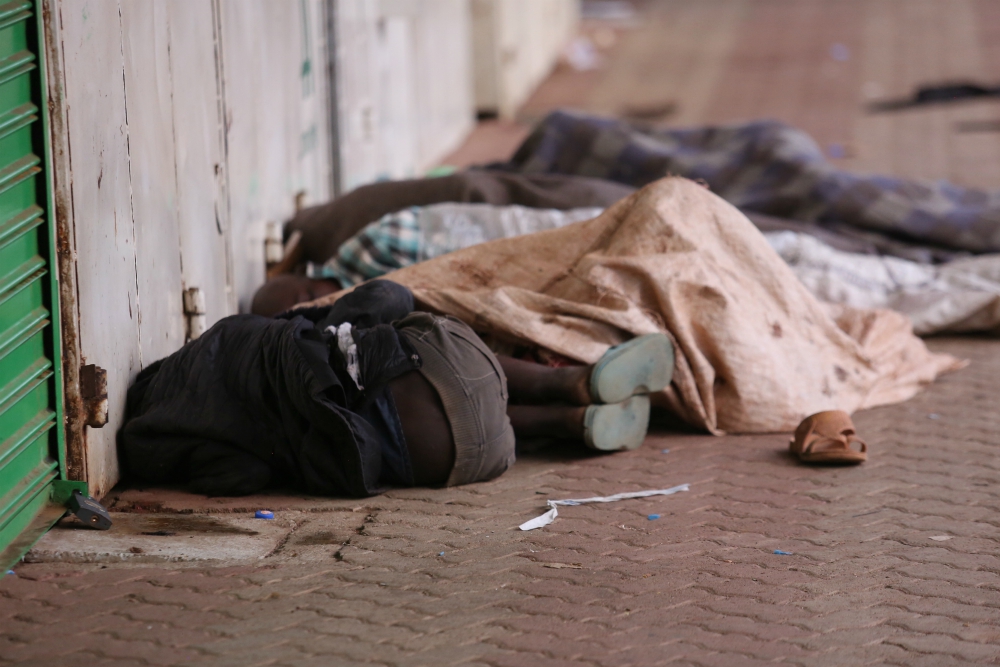
At least 15 street‑connected children die in Nairobi in one month
By Chemtai Kirui
NAIROBI, Feb. 2 —At least 15 street‑connected children and youth have died in Nairobi over the past month, prompting civil society groups to demand urgent investigations and reforms.
Rights advocates say the deaths reveal persistent weaknesses in the city’s social protection systems and urban policies, and warn that without immediate action, vulnerable children will continue to face life‑threatening risks.
The Undugu Society of Kenya (USK), an organization that has worked with street families for decades, condemned the deaths as symptomatic of prolonged neglect, urging authorities to investigate each case transparently and not treat the fatalities as isolated incidents.
“These deaths illustrate the harsh realities of street life and the failure of State agencies to fulfil their mandate to protect children,” said Eric Mukoya, executive director of USK, at a press briefing on Sunday. “Waiving fees after death is not justice.”
Medical examinations conducted by pathologists at the City Mortuary in Nairobi revealed that many of the children died from pneumonia, while others succumbed to starvation, bodily injuries and exposure, authorities said.
Some deaths occurred after mob justice incidents, including accusations of petty crimes, according to official statements and autopsy summaries.
Police said the bodies were collected from alleys and sidewalks in different parts of the city and taken to mortuaries, including the City Mortuary and Mama Lucy Kibaki Hospital, before being released for burial.
A funeral procession on Jan. 29 saw nine of the deceased interred at Lang’ata Cemetery, where street families served as pallbearers and paid emotional tribute to their peers.
Advocates say the recurring deaths reflect entrenched social and policy gaps that leave street‑connected communities exposed to extreme vulnerability.
Many children and youth living on the streets lack legal identification documents such as national ID cards and birth certificates, which restricts their access to essential services including healthcare, education, and formal employment opportunities.
“Street‑connected communities live in conditions that define homelessness at its most severe,” USK said in its statement, warning that discrimination, legal barriers and economic marginalization compound everyday risks.
Civil society groups also highlighted harassment by law enforcement and persistent hunger as daily realities for street families, stressing that current policy responses are reactive and fail to address root causes.
Civil society data suggest tens of thousands of children and youth are street-connected in major cities, with Nairobi historically having one of the largest concentrations.
Government figures are limited, but NGOs estimate that street families face layered disadvantages, including exclusion from formal services and protection.
Kenya’s Children Act and constitutional protections mandate the State to safeguard the rights and welfare of every child, yet implementation gaps — from identity documentation to targeted social programmes — persist. External reporting from rights groups has highlighted these systemic gaps in recent years.
In response to the fatalities, USK and allied activists are demanding that the government undertake comprehensive investigations into each death and make the findings public to ensure accountability.
They are also urging the development of programs to provide legal identification documents for street‑connected individuals, saying this would reduce discrimination and help integrate them into social protection systems.
The groups further called for guarantees of personal security, stronger safeguards against harassment, and reforms in criminal justice policies that disproportionately affect homeless populations, especially in urban centers.
“We cannot let these deaths be buried as numbers,” Mukoya said. “Justice for these young people cannot be deferred, obscured, or substituted with charity. Their lives matter, and the Constitution demands more.”