Africa’s Cities Under Pressure as Leaders Seek Solutions at Nairobi Forum
Leaders push to turn urban policy into investment-ready projects as housing deficit and climate risks grow
By Chemtai Kirui | Nairobi
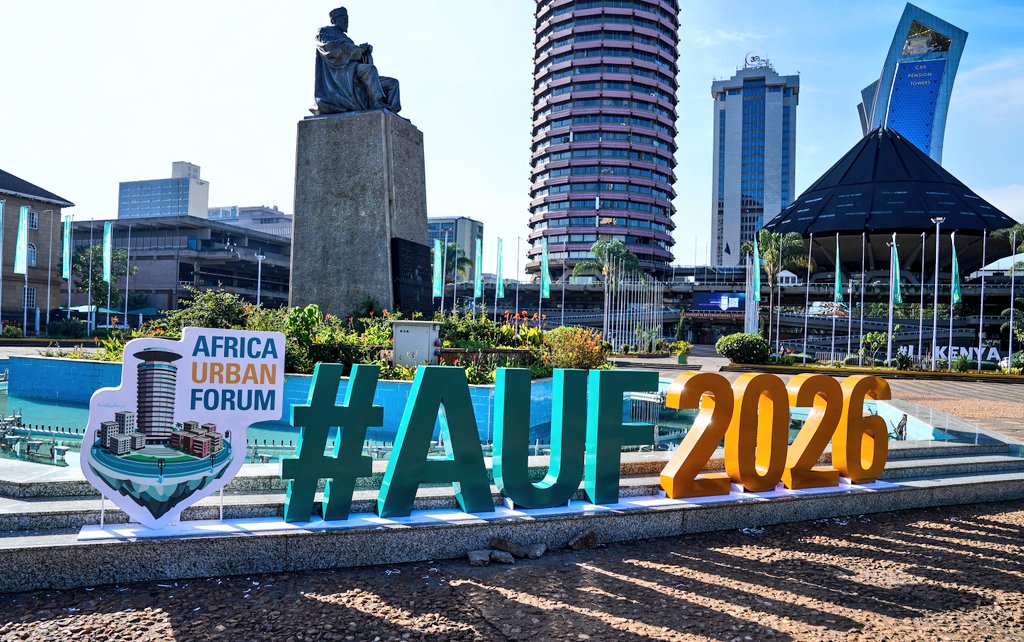
African leaders, urban planners and development officials met in Nairobi on Thursday for a second day of high-level negotiations at the Kenyatta International Convention Centre (KICC), as governments work to turn urban policy commitments into bankable projects.
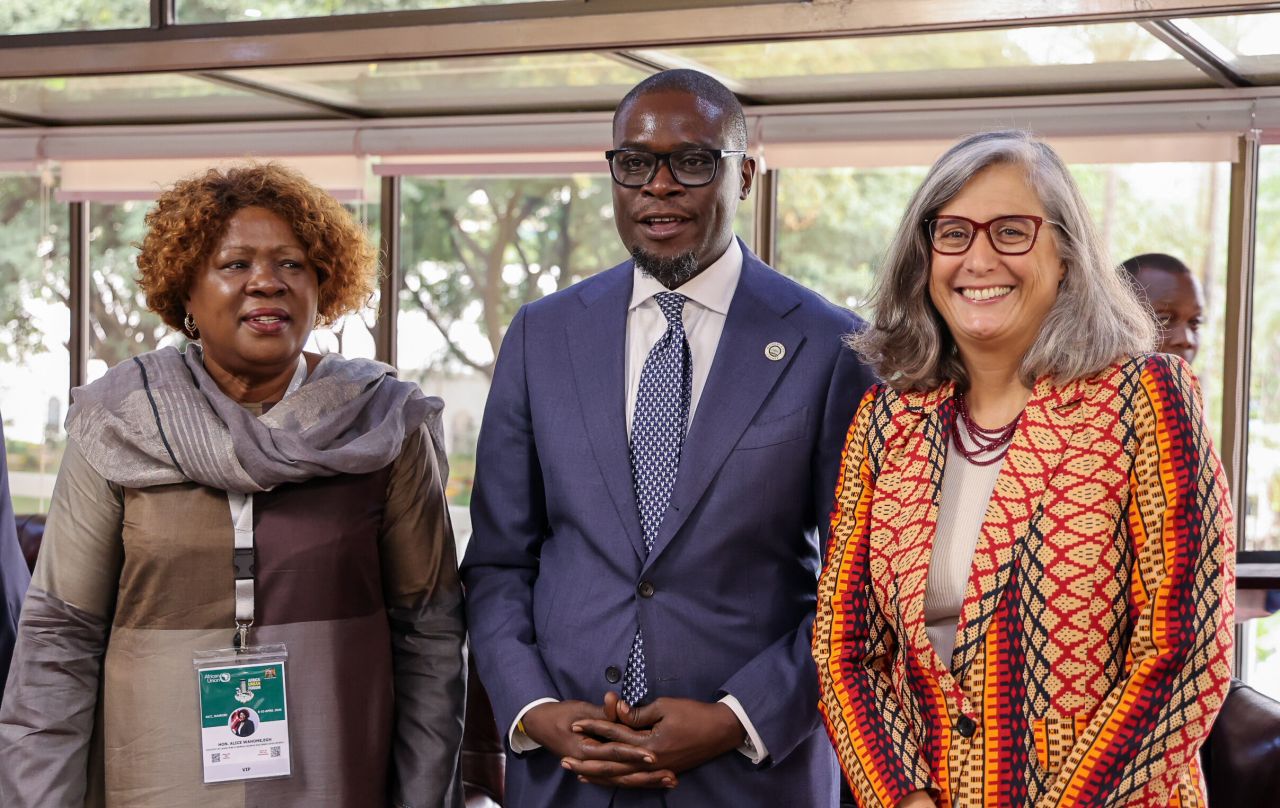
The three-day summit, convened by the African Union Commission with support from UN-Habitat and the United Nations Economic Commission for Africa, is expected to produce the “Nairobi Declaration”—a common African position on urban development ahead of the 13th World Urban Forum in Baku, Azerbaijan, in May.
Africa’s urban population is projected to double from about 700 million to 1.4 billion by 2050, intensifying pressure on housing, infrastructure and basic services.
“This is no longer about planning for growth. It is about managing pressure that is already here,” said Moses Vilakati, African Union Commissioner for Agriculture, Rural Development, Blue Economy and Sustainable Environment.
Vilakati pointed to the Africa Urban Resilience Programme (AURP), a continental framework to integrate climate adaptation and disaster risk reduction into urban planning. The programme includes technical guidelines on water and housing, capacity-building for city officials, and monitoring frameworks to track delivery.
“Scaling impact will require sustained investment, stronger partnerships and a continued focus on implementation,” he said, adding that the Commission is pushing to link global finance with locally driven urban resilience projects.
On Thursday, discussions shifted to the mechanics of delivery, with ministers and development financiers focusing on how to fund housing and infrastructure at scale.
Proposals under negotiation seek to halve Africa’s housing deficit—estimated at more than 50 million units—by 2035, with an emphasis on turning urban projects into investment-ready opportunities.
A dedicated session on blended finance and public–private partnerships brought together governments, development banks and private investors, reflecting a growing push to structure housing projects as “bankable” assets capable of attracting global capital.
Parallel sessions examined how technology could reshape African cities. Case studies from Kenya’s Konza Technopolis, Tatu City and Safaricom’s digital infrastructure projects demonstrated how integrated data systems and command centres can improve transport, housing and service delivery.
Lawmakers also held discussions on housing legislation, signalling a shift from policy commitments to enforceable legal frameworks aimed at anchoring reforms at the national level.
For Kenya, hosting the forum serves both diplomatic and domestic goals, placing Nairobi at the centre of continental urban policy discussions.
Prime Cabinet Secretary Musalia Mudavadi said the government is seeking to link urban expansion with jobs and economic growth.
“Africa is urbanising at an unprecedented pace, and within a single generation, our cities will welcome hundreds of millions of new residents,” he said. “Urban centres are fast becoming engines of growth, inclusion and sustainable development.”
Mudavadi pointed to the Bottom-Up Economic Transformation Agenda (BETA), where affordable housing is positioned as a driver of both home ownership and job creation.
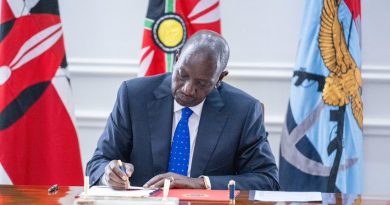
The regional push coincides with domestic efforts, with President William Ruto addressing the Nairobi County Assembly on Thursday to track progress on an Sh80 billion urban cooperation pact focused on modernising street lighting and electricity infrastructure.
Climate vulnerability remains a central concern, with discussions highlighting rising risks from flooding, heatwaves and water stress in rapidly expanding cities.
Sessions on “water-responsive urbanism” focused on integrating drainage systems, river restoration and housing design to reduce exposure to climate shocks.
UN-Habitat officials warned that cities are already struggling to keep pace with demand for housing, infrastructure and basic services, reflecting widening gaps between urban growth and available capacity.
A regional media briefing linked outcomes from Nairobi to preparations for the upcoming World Urban Forum, underscoring Africa’s growing role in shaping global urban policy.
The forum also launched the Urban Resilience Knowledge Series, a platform for cities to share tested solutions and reduce duplication in planning and investment.
As negotiations continue, attention is shifting to whether the Nairobi Declaration will move beyond policy commitments to unlock financing and implementation.
“The policies being discussed are not abstract,” Vilakati said. “They will determine whether African cities become engines of opportunity or centres of inequality.”