Restoring Soil in Kenya’s Kerio Valley as Climate Pressure Intensifies
By Chemtai Kirui | Kerio Valley
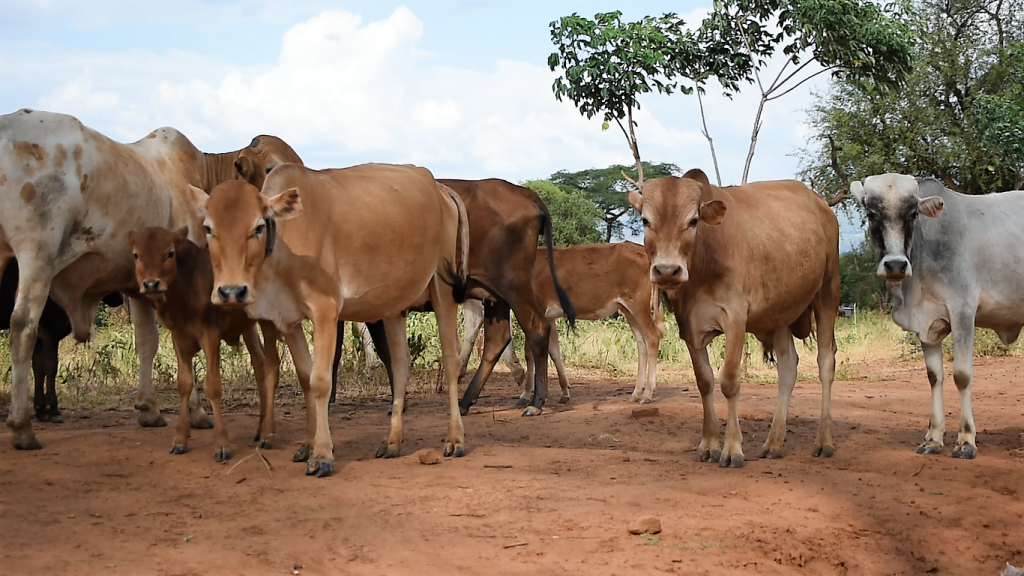
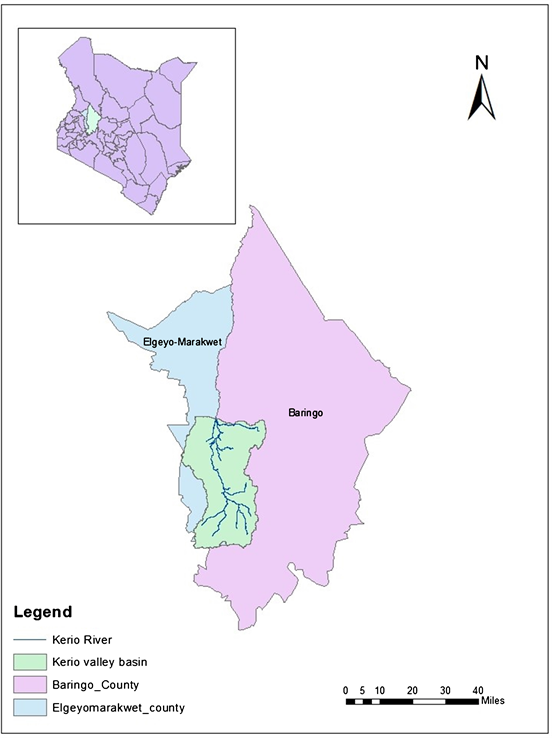
Communities in the Kerio Valley, across the lowlands of Baringo and Elgeyo Marakwet counties, are largely pastoralist.
Along the road, livestock is a constant presence. Goats and sheep graze unattended by the roadside, while cattle rest in the shade of acacia trees, chewing slowly in the afternoon heat. There are few signs of fences or boundaries.
Away from the traffic, the soundscape shifts. Birds call from the trees, insects hum in the grass, and the occasional clatter of cowbells carries across the valley. It is a landscape shaped by movement — of animals, of people, and of seasons.
Kerio Valley has seen increasingly erratic weather in recent years, with heavy rains triggering soil erosion, mudslides and flooding that have killed people and livestock. In November 2025, after days of sustained rainfall during the short rains season, a landslide tore through parts of Marakwet East, killing at least 33 people and leaving others missing as mud and debris swept through homes and farms before dawn.
Local officials say the damage is not driven by weather alone. According to John Korir, the Elgeyo Marakwet county commissioner, much of the pressure originates higher up on the escarpment.
“The community forest on the plateau has been heavily degraded,” he says. “As demand for land grows, more areas are being cleared for farming, often on communal land. In the process, a fragile ecosystem is being destroyed.”
Large parts of the escarpment have slopes exceeding 70%, where cultivation is difficult to sustain. When intense rainfall meets exposed soil, the risks increase.
“When you combine extreme weather with unsustainable land use, communities become far more vulnerable to soil erosion,” Korir says.
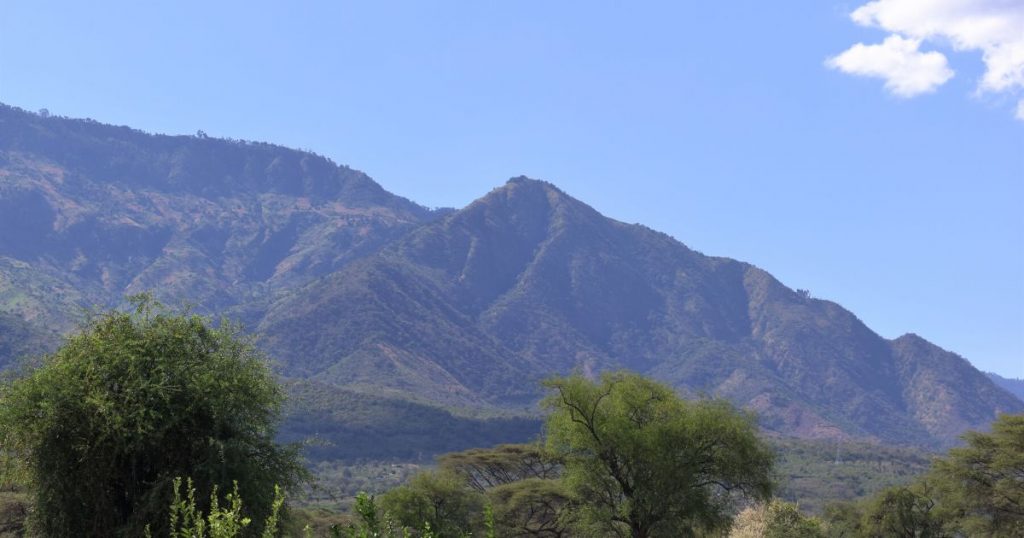
The loss of vegetation on the escarpment is accelerating the damage. Without it, rainfall runs quickly over the surface, increasing the risk of rockfalls and mudslides.
“When vegetation is cleared, you get more surface run-off,” says Simon Cheptot, the county director of meteorology. “That water moves rapidly down the slopes and into the valley, where it causes gully erosion and flooding.”
Kerio Valley is classified as an arid and semi-arid area (Asal), making it particularly sensitive to shifts in climate. Much of the water that reaches the valley originates in the highlands, where rainfall patterns have become increasingly unstable.
“The flow has become more unpredictable,” Cheptot says. “Communities are finding it harder to sustain their livelihoods because they can no longer rely on consistent seasons.”
Temperatures in the lower areas can reach 33C. Changing rainfall patterns are also creating conditions for invasive species to spread, allowing hardy plants to outcompete native vegetation.
The trend reflects warnings from the United Nations Convention to Combat Desertification and the Convention on Biological Diversity, which link land degradation in arid regions to the spread of invasive species. In dryland ecosystems, the loss of vegetation and soil health reduces natural resilience, leaving exposed ground where fast-spreading species can take hold and reshape entire landscapes.
Research under the Woody Weeds+ project, a collaboration between Centre for Agriculture and Bioscience International and the Kenya Forestry Research Institute, identifies climate variability as a key driver of ecological change in the Kerio Valley. As extreme weather intensifies, native vegetation is weakened, creating openings for invasive species such as mathenge to spread across degraded land.
While human encroachment plays its part, researchers warn that the sheer scale of environmental pressure has forced a collapse in the region’s natural balance. It is a symptom of a wider crisis: a “shrubification” of the drylands that is erasing species once common to the area.
Yet the valley’s story is not only one of loss.
In Emsea village, in the lower parts of Elgeyo Marakwet, Samuel Teimuge has taken a different approach. He is among a small number of farmers experimenting with vetiver grass to stabilise the soil.
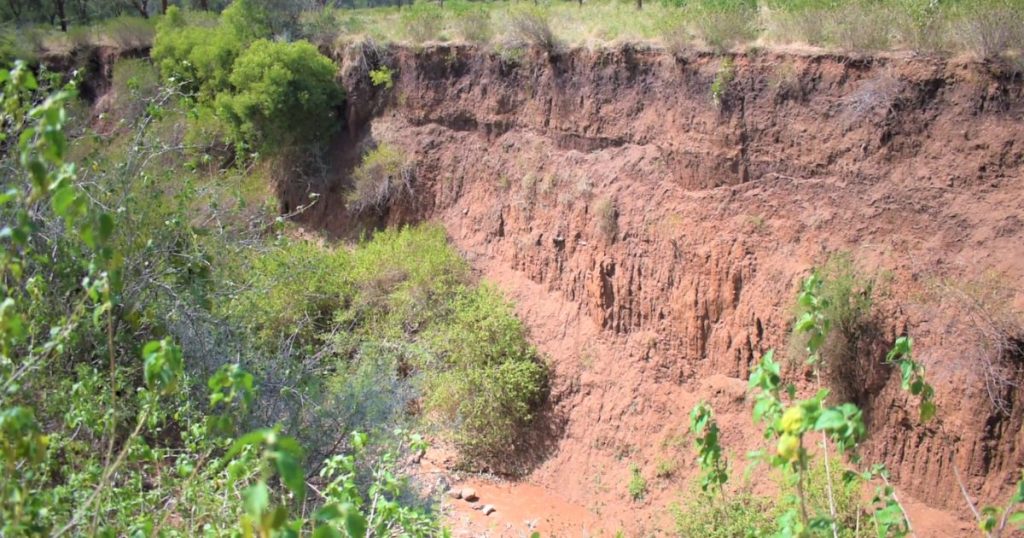
Around him, the land is deeply scarred. Gullies cut through farms, some stretching for kilometres.
“Many of the surrounding lands are affected,” he says. “Some of these gullies are as deep as 30 feet.”
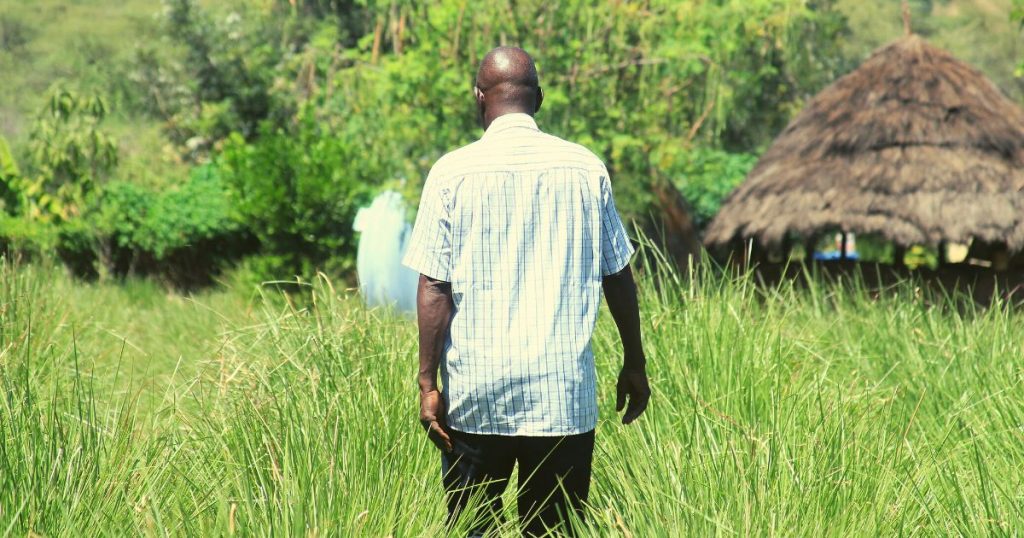
He walks along a narrow path through dense, knee-high grass, brushing past the leaves as he moves. Not far from his farm, a wide channel cuts through the earth — one of the largest in the area.
The idea, he says, began with a conversation.
“A friend of mine from KEFRI introduced me to vetiver grass,” Teimuge says. “He told me it could help control soil erosion.”
He now grows vetiver on about an acre and a half of land.
According to Monica Nderitu, a regional environment and climate change adviser at Vi Agroforestry, vetiver is a perennial grass widely used for soil and water conservation. Its roots can extend more than three metres into the ground, helping to stabilise slopes and reduce surface run-off.
“It is highly effective in controlling soil erosion,” she says, adding that intense rainfall following dry periods is a major driver of gully formation. Planting vetiver along contours and slope boundaries can help slow the flow of water.
On Teimuge’s farm, the grass is planted in rows alongside crops and trees. Titus Kigen, who helps manage the land, says the system has changed how they farm.
“We grow crops between the vetiver lines,” he says. “We don’t need to use pesticides. Pests are drawn to the grass instead.”
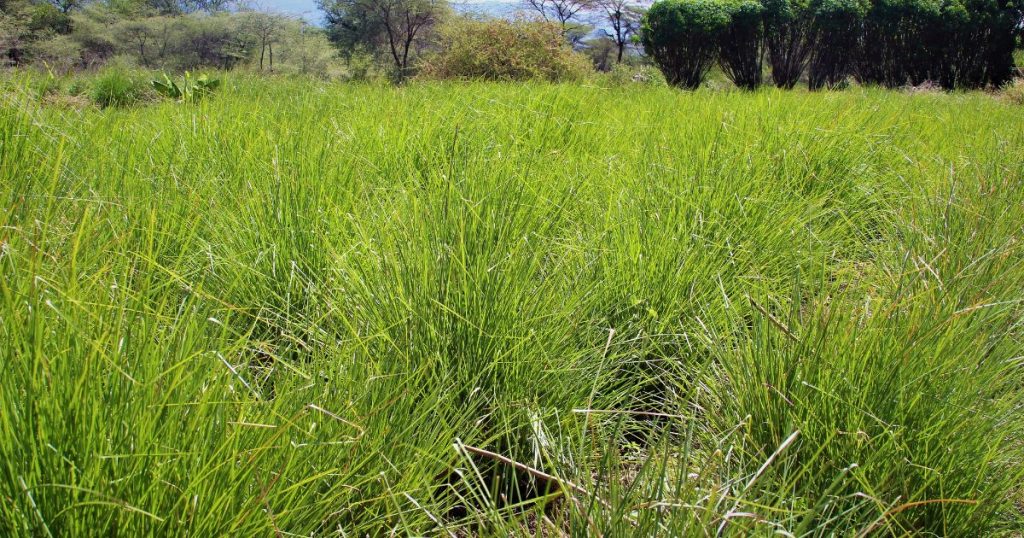
Vetiver grass allows farmers to manage pests without chemicals while protecting soil biodiversity.
“This grass can be used as a biological pest control, but also to help restore soil polluted by agrochemicals,” said Nderitu. Its dense root system allows the plant to absorb contaminants and stabilise degraded soils.
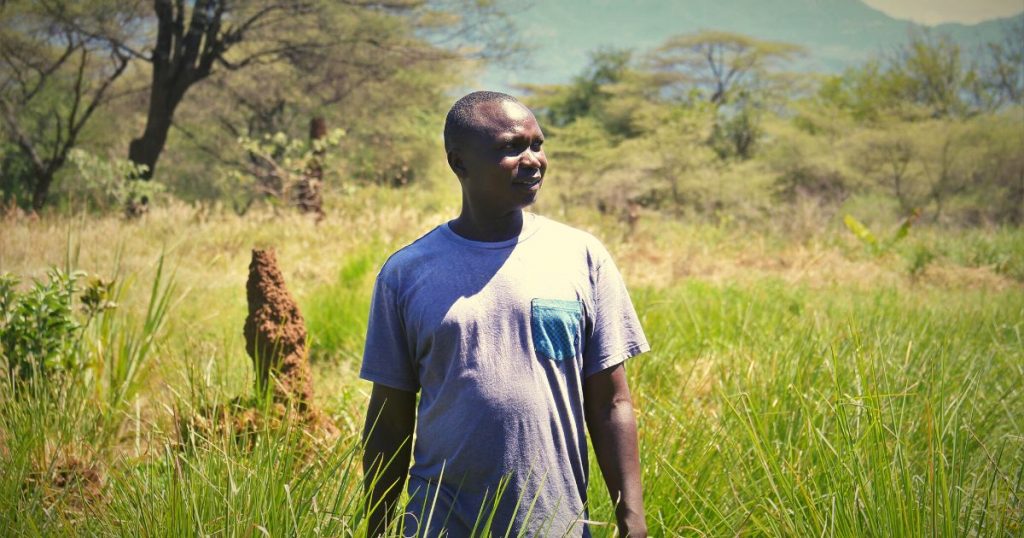
Farmers also harvest the grass for thatching, livestock fodder and mulch, which helps retain soil moisture and improve fertility, said Titus.
For Aaron Kangwony, a member of the Konyasoi Vetiver network, growing the grass has become his family’s main source of income.
“This project has become a family business,” he said. “My wife and I propagate seedlings and sell them to communities. The income helps us pay school fees for our children.”
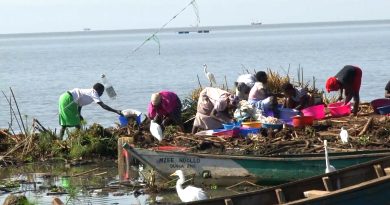
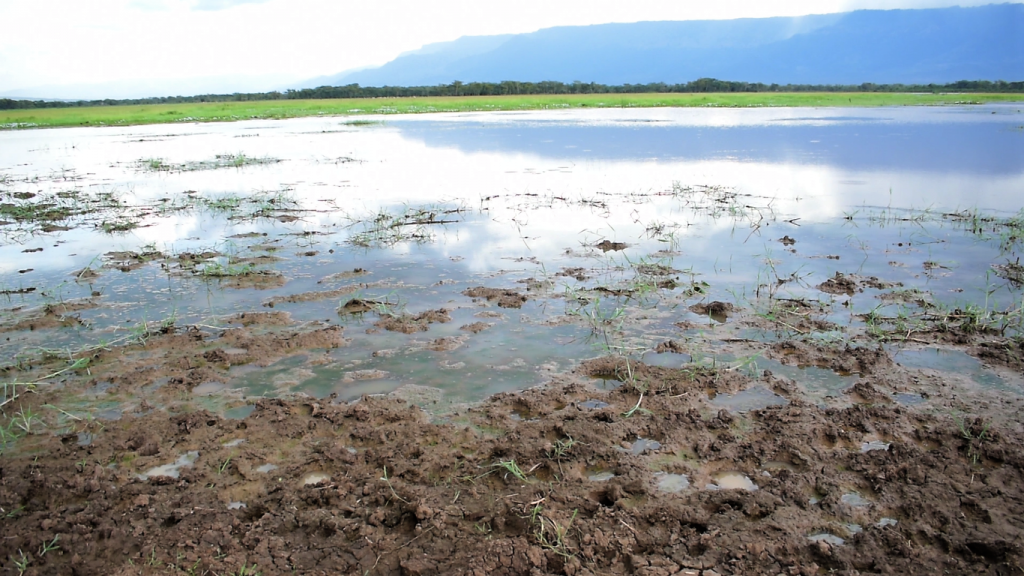
Kangwony lives in Tilomwonin village in Baringo county, about 2km from Lake Kamnarok, a vast Ox-bow Lake lake formed by the shifting course of the Kerio river that has become increasingly unstable in recent decades. Deforestation on the surrounding escarpment has sent tonnes of silt washing into the shallow basin, while rising temperatures and erratic rains have caused the waterline to retreat by kilometres in dry years.
The shrinking lake is reshaping life across the Rimoi-Kamnarok ecosystem, home to more than 500 African elephants. As water sources disappear, herds move beyond the protected area in search of drinking points, often clashing with farmers in nearby villages.
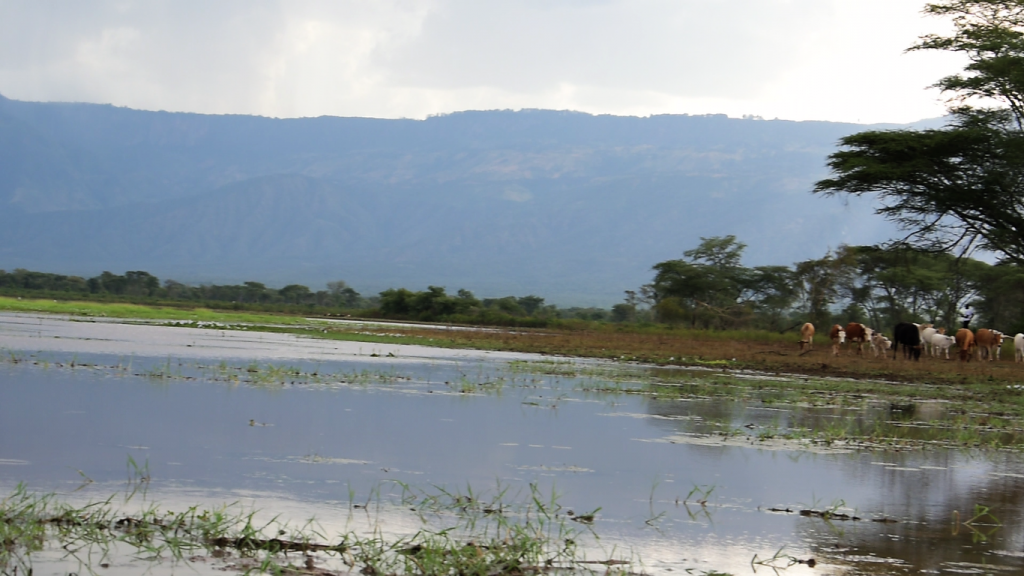
In this fragile landscape, soil conservation has become as much about survival as productivity.
When Kangwony travels to training seminars, he often carries vetiver seedlings to sell to participants. Demand also rises during the dry season, when neighbours buy the grass as fodder for livestock. “We sell a sack for about KSh200,” he said.
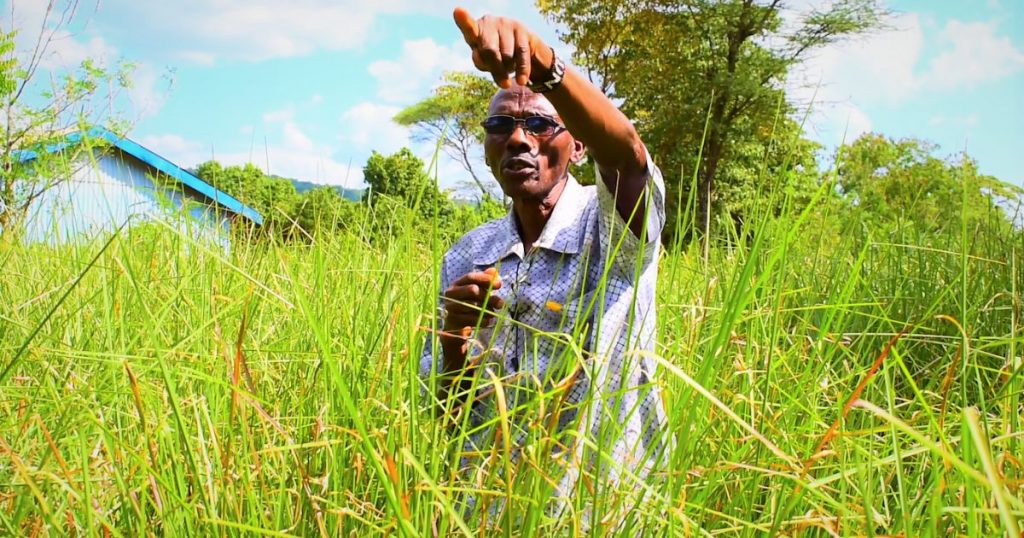
Members of the Konyasoi Vetiver network have also begun diversifying their farms. Depending on the season, their fields include fruit trees, bananas, plantains, sorghum and cassava, planted using minimum tillage methods designed to protect fragile soils.
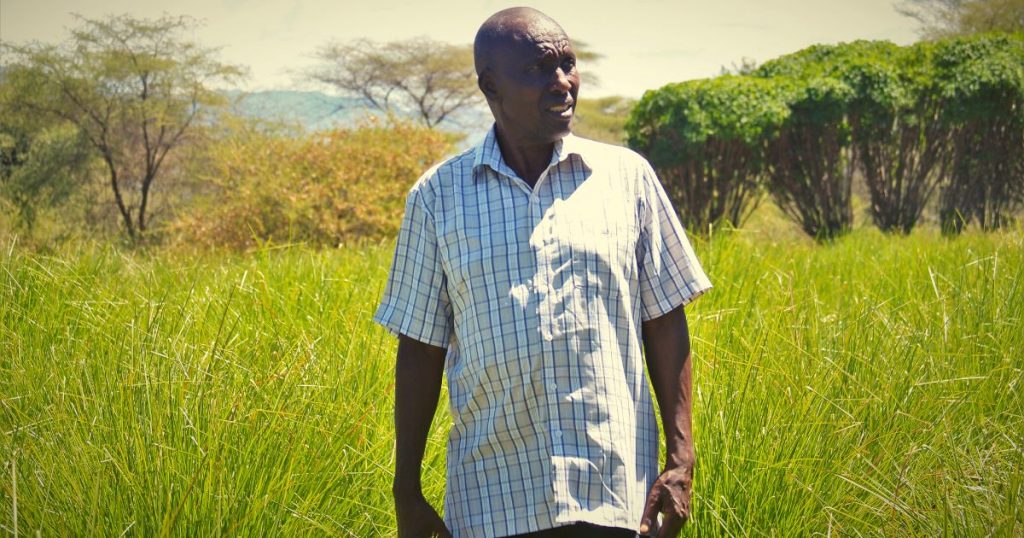
One of the farmers who adopted the approach is Joyce Wafula, a smallholder in Elgeyo Marakwet County, who first encountered the training through Teimuge.
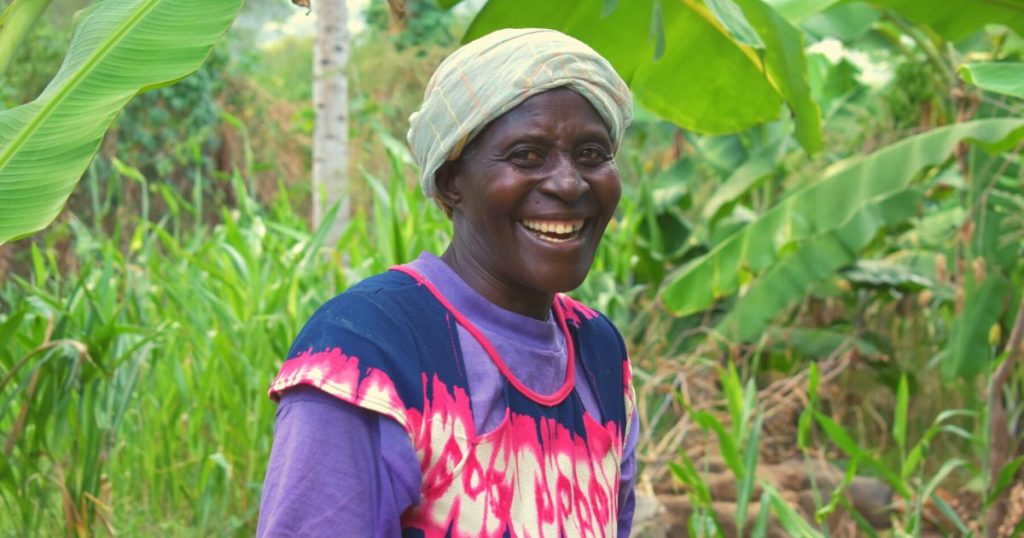
“When I bought this land, the situation was discouraging,” she said. “It was bushy and nothing was growing here. When I asked neighbours which crop does well, they told me nothing grows.”
During heavy rains, water rushed across the bare ground, carrying soil away. Wafula tried lining the farm with stones to block erosion, but the floods swept them aside.
Eventually she searched online for solutions.
“I found Teimuge when I searched on Google for how to conserve soil,” she said. “I contacted him, and here we are.”
Today the farm produces a range of crops, including fruit trees and vegetables.
“I have learned a lot about trees,” she said. “I can now identify medicinal plants and even extract oils or make soap from them.”
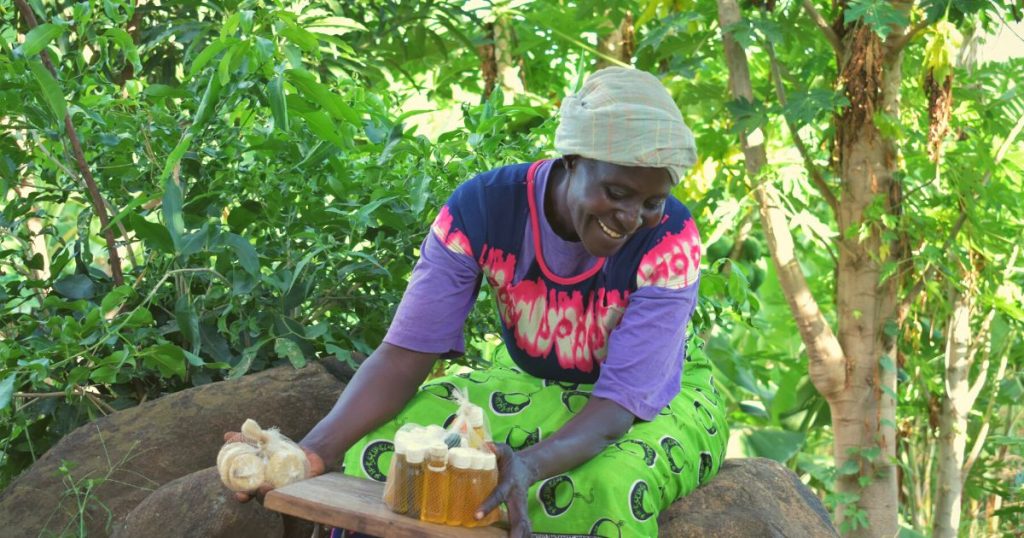
“Some time ago a friend from a farmers’ forum called me,” Joyce said, grinning. “She told me they were handing out a book with my picture on the front page.”
The publication, produced by World Vision, documented farmers experimenting with regenerative agriculture in Kenya’s drylands.
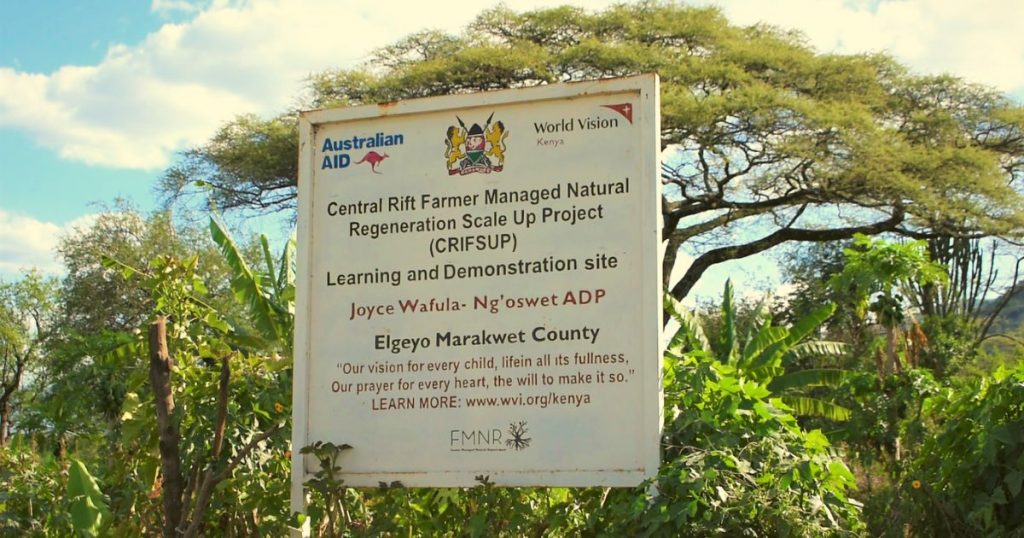
Members of the Konyasoi Vetiver Network say they often speak at local forums and training sessions to show how vetiver grass can slow the soil erosion that continues to scar the slopes of the Kerio Valley.
“Exposed and vulnerable communities cannot afford to suffer the consequences of climate change,” said Steve Itela, chief executive of the Conservation Alliance of Kenya. “Building resilience now allows people to adapt to a changing environment.”
But adoption has been uneven.
Local officials say deep-rooted cultural and economic patterns still shape land use across the valley. Many families continue to keep large livestock herds – a longstanding marker of wealth – even as shrinking grazing land and recurring droughts leave animals emaciated and soils degraded.
Korir, the county commissioner, says communities will need to rethink those practices if the region is to withstand a harsher climate.
“There is little value in keeping large herds that cannot survive the dry season,” he said. “People must adjust their livelihoods to the reality of the land.”
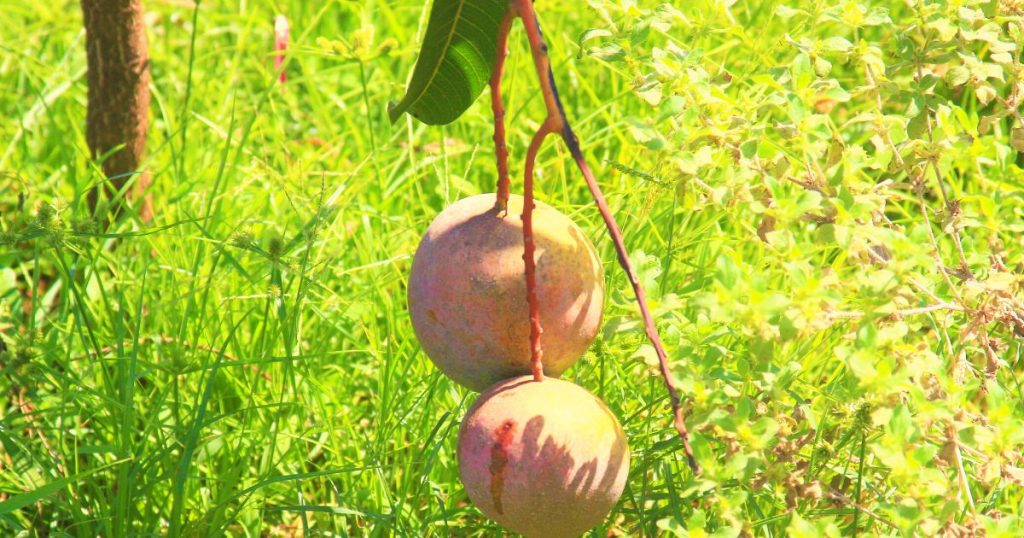
Some farmers are already experimenting with alternatives, planting drought-tolerant crops such as millet, sorghum and cassava alongside soil-restoring grasses.
For others, the choice facing communities in the valley is becoming increasingly stark.
“Faced with climate change, a community has three options,” said Cheptot. “It can migrate, it can adapt – or it can sit back and wait to perish.”