Kenya emerging as key carbon credit player in Africa
By Carolyne Tomno
Kenya has become one of Africa’s most active players in the voluntary carbon market, alongside countries such as the Democratic Republic of the Congo.
Many of the country’s projects focus on community-based solutions such as clean cooking, renewable energy and climate-smart agriculture.These initiatives generate credits by demonstrating that emissions are lower than they would have been without the project.
Turning household cooking into climate finance
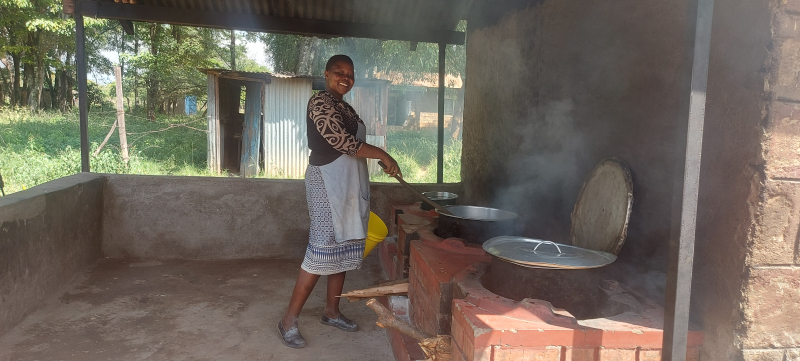
For decades, most Kenyan households have relied on charcoal and firewood for cooking. While affordable, these fuels contribute to deforestation and release large amounts of carbon dioxide into the atmosphere. Clean cooking programmes are now changing that.
By introducing improved cookstoves and alternative fuels that burn more efficiently, the projects significantly reduce carbon emissions. Those reductions can be measured and converted into carbon credits, which are then sold to companies seeking to offset their emissions.
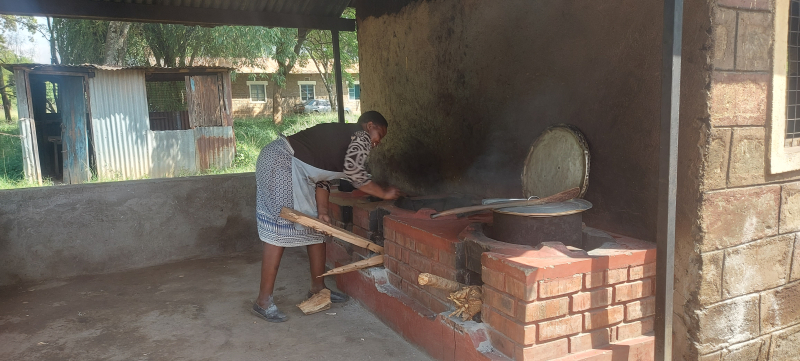
These credits are traded through international voluntary carbon markets, creating a new stream of climate finance tied directly to household energy use.
Africa is still lagging behind
Jean-Paul Adam, Director for Policy Monitoring and Advocacy at the United Nations Office of the Special Adviser on Africa, these kinds of projects demonstrate how climate action can also deliver economic benefits.
Speaking during a recent carbon finance mechanisms webinar, Adam said the situation is particularly frustrating given that many wealthy countries have not fully delivered on the climate finance commitments made under the Paris Agreement. Adding that climate change could cost some African economies up to five percent of their GDP every year.
“Africa contributes less than four percent of global greenhouse gas emissions, yet the continent faces some of the most severe consequences of climate change,” Adam said during a climate finance discussion.
“That imbalance means Africa must find innovative ways to mobilize climate finance. Carbon markets can become one of those tools, if they are designed to create real value for African countries and communities.”
Kenya emerging as a carbon credit player
According to Jean-Paul Adam,Kenya has become one of Africa’s most active players in the voluntary carbon market, alongside countries such as the Democratic Republic of the Congo.
Many of the country’s projects focus on community-based climate solutions such as clean cooking, renewable energy and climate-smart agriculture.
Germany is one of the countries that is supporting the country to advance the carbon credit goals.
Maren Kneller, the Head of Cooperation at the German Embassy in Nairobi, noted that Kenya has taken major steps toward making its carbon markets functional.
She highlighted that these efforts showcase the nation’s regional leadership and its firm dedication to developing a sustainable green economy.She was speaking during the launch of the Kenya carbon registry held in Nairobi recently
A wider opportunity for Africa
Across Africa, governments are exploring how carbon markets could help close a major climate funding gap.
Despite global climate commitments under the Paris Agreement, financing for adaptation and mitigation in Africa remains far below what is required.
Adam believes carbon finance could help unlock new investment if governance systems are strong.
“Africa holds enormous natural capital, from forests to agricultural landscapes that plays a critical role in regulating the global climate,” he said.
“If carbon markets are properly structured, they can help transform that natural capital into sustainable financing for development.”
Clean cooking projects do more than reduce emissions. Traditional wood and charcoal stoves produce thick smoke that can lead to respiratory diseases, especially among women and children who spend long hours near cooking fires.
Improved stoves reduce indoor air pollution while also using less fuel, helping slow deforestation. Adam says projects that directly improve livelihoods are likely to become the most successful carbon initiatives on the continent.
“The most impactful carbon projects in Africa are those that respond directly to the needs of the population,” he said.
“When climate solutions improve daily life, whether through cleaner energy, better agriculture or forest protection,they become both environmentally and economically sustainable.”
Addressing the challenges
Despite global climate commitments under the Paris Agreement, financing for adaptation and mitigation in Africa remains far below what is required.
Adam believes carbon finance could help unlock new investment if governance systems are strong.“Africa holds enormous natural capital, from forests to agricultural landscapes, that plays a critical role in regulating the global climate,” he said.
Adding that if carbon markets are properly structured, they can help transform that natural capital into sustainable financing for development.
For climate experts, the lesson is clear: solutions that begin in village kitchens may play an important role in shaping Africa’s emerging carbon economy. Africa holds some of the world’s most important natural carbon sinks, including forests, agricultural landscapes and coastal ecosystems.
These natural systems play a crucial role in absorbing carbon dioxide and regulating the global climate. For African countries, protecting these ecosystems could become a central pillar of a new green economy, one that generates revenue while preserving biodiversity and supporting local livelihoods.