
Africa Pushes for Sovereign Carbon Initiative to Unlock Climate Finance
By Carolyne Tomno
Africa is moving to reshape global climate finance as policymakers and economists call for the creation of the continent’s first sovereign carbon initiative based on the polluter pays principle, a mechanism aimed at ensuring that major emitters contribute to financing climate action in vulnerable regions.
This was highlighted during a webinar led by Climate finance experts including Nassim Oulmane, Chief Economist and Head of the Green and Blue Economy Section at the United Nations Economic Commission for Africa.
The discussion focused on how Africa can mobilize climate finance while leveraging its vast natural resources to participate more effectively in emerging carbon markets.
According to Oulmane, climate finance represents not only an environmental response to global warming but also a major economic transformation opportunity for Africa.
Africa’s Unequal Climate Burden
Africa contributes less than five percent of global greenhouse gas emissions, yet it faces some of the most severe impacts of climate change, including droughts, floods and declining agricultural productivity.
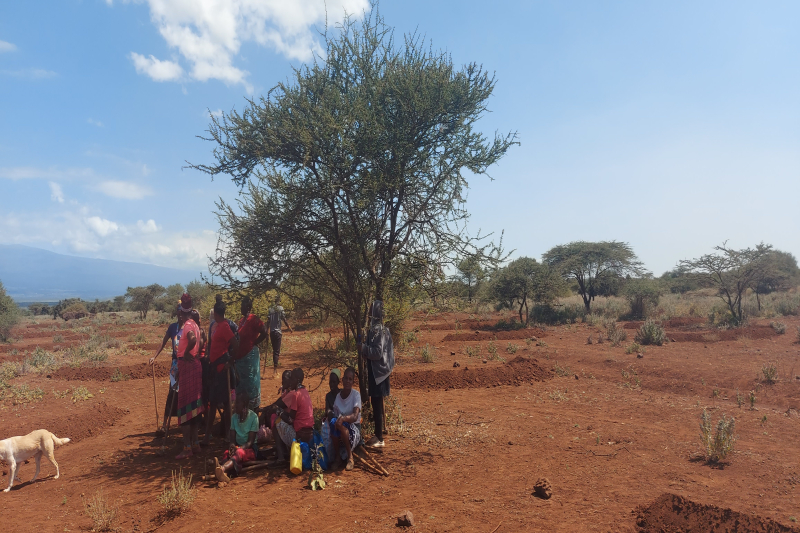
Despite this vulnerability, the continent receives less than five percent of global climate finance flows, even though global funding for climate-related investments has reached nearly $1 trillion annually.
Experts say this gap highlights the need for new financing mechanisms that reflect the historical responsibility of high-emitting countries.
Sources of climate Finance
Oulmane explained that global climate finance currently relies on International Climate Funds. Public Major global funds support climate mitigation and adaptation projects, including the Green Climate Fund, the Global Environment Facility, and the Adaptation Fund.
However, accessing these funds remains complex and slow, often delaying urgently needed climate investments.
Carbon Markets
Carbon markets are another key mechanism for mobilizing climate finance.These markets allow companies and governments to offset emissions by investing in projects that reduce or capture carbon.
Regulated systems such as the European Union Emissions Trading System set emissions limits and allow companies to trade carbon permits, while voluntary carbon markets allow companies to purchase carbon credits to offset emissions.
Many African countries participate mainly in voluntary markets, although concerns remain about low credit prices and weak market integrity. Experts in climate finance say Africa’s vast ecosystems could play a central role in the global climate economy.
The Congo Basin, the world’s second-largest tropical rainforest, stores enormous amounts of carbon and helps regulate the global climate.If degraded, the forest could release massive carbon emissions into the atmosphere.

.
Africa also holds significant blue carbon ecosystems, including mangroves, seagrass beds and coastal wetlands that capture large amounts of carbon while protecting coastal communities.
Innovative Climate Finance Tools
Several new financial instruments are emerging to support climate action across Africa.Countries including Nigeria, Egypt, and South Africa have issued green bonds to finance renewable energy and other climate projects.
The island nation of Seychelles pioneered the world’s first sovereign blue bond, which finances sustainable fisheries and marine conservation.
Debt-for-climate swaps are also gaining attention as a way for countries to convert debt obligations into climate investments.
A Defining Opportunity
Oulmane emphasized that Africa has a unique opportunity to become a major global player in climate markets, thanks to its forests, agricultural systems and coastal ecosystems.
However, realizing this potential will require stronger institutions, credible monitoring systems and policies that ensure carbon markets benefit local communities.
Developing an African sovereign carbon initiative, experts say, could help the continent capture more value from its natural capital while mobilizing the funding needed to address climate change.