Government sets 2028 deadline to cut medicine imports as manufacturing push gathers pace
By Chemtai Kirui in Nairobi, March 27 2026
For decades, the country’s healthcare system has relied heavily on imported medicines, leaving it exposed to currency swings and global supply disruptions. Today, about 70 per cent of pharmaceuticals are sourced from abroad, at an annual cost of roughly KSh76bn ($585mn), a burden that continues to weigh on public finances and access to essential drugs.
Now, the government is signalling a decisive shift.
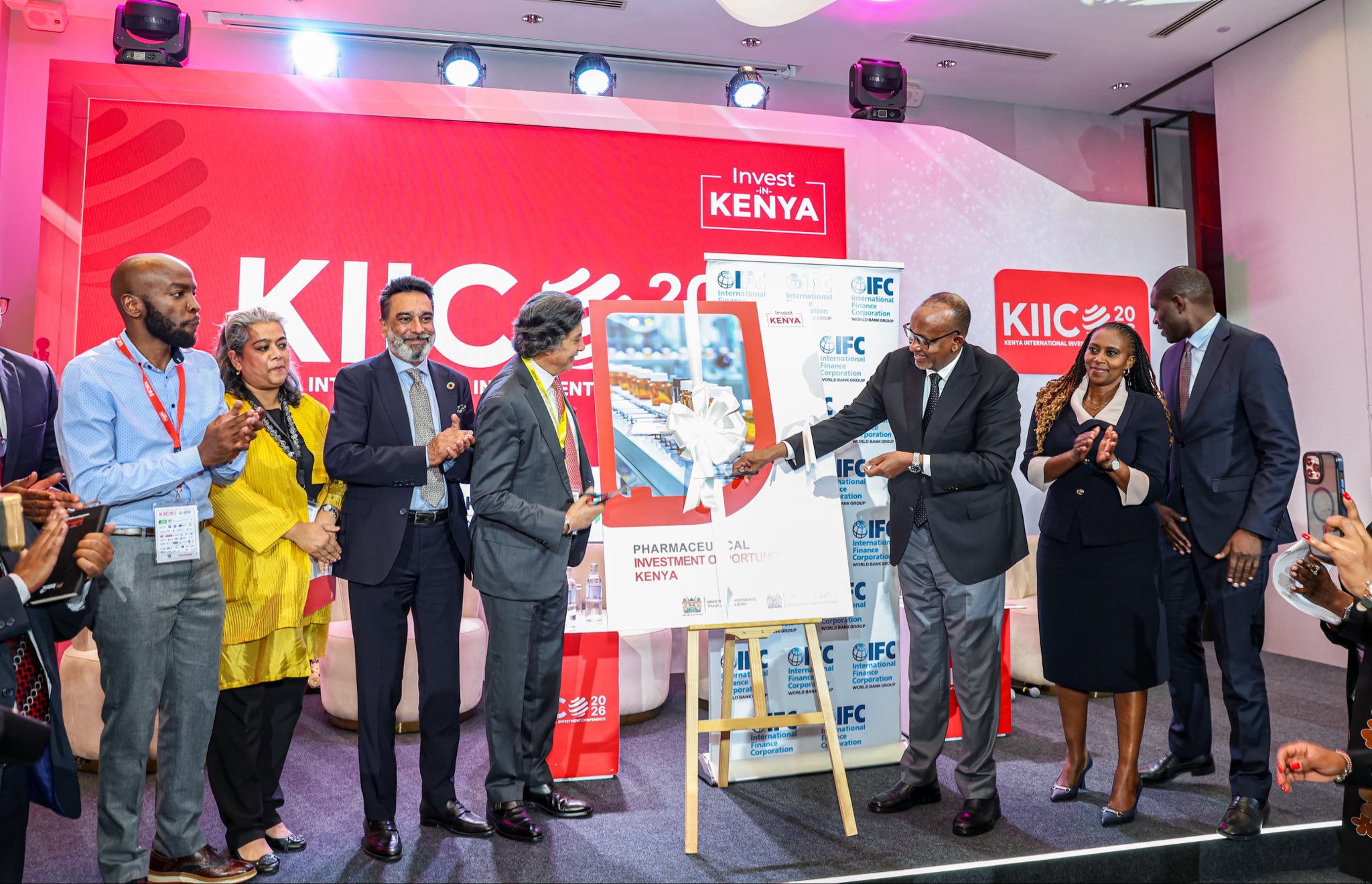
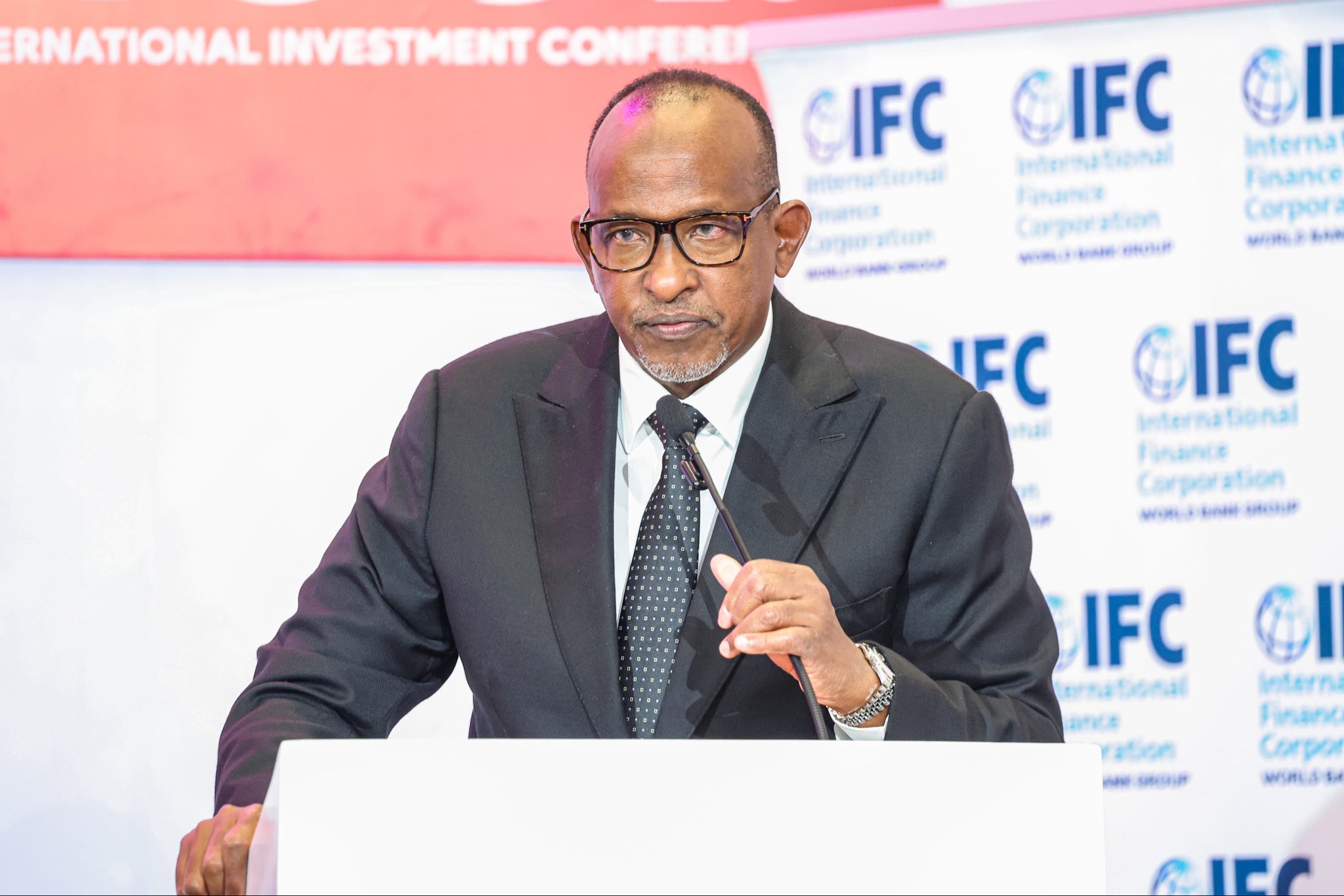
Speaking at the Kenya International Investment Conference (KIICO) 2026 in Nairobi, Health Cabinet Secretary Aden Duale set out an ambitious plan to reverse this dependence, targeting pharmaceutical self-sufficiency by 2028. A key milestone is expected this year: producing half of the medicines listed on the national essential drugs schedule locally.
The strategy reflects a broader policy pivot, where health is increasingly being treated as an industrial priority rather than a purely social service.
“We are moving from formulation to active manufacturing,” Mr Duale told investors, describing a transition from packaging imported inputs to producing active pharmaceutical ingredients domestically.
At the centre of this effort is the Kenya BioVax Institute, a state-backed facility that has entered its second phase of development. The institute is installing fill-and-finish capacity, with plans to release its first trial batch of locally manufactured vaccines by late 2027. It is also expected to produce insulin and anti-cancer biosimilars, products that currently account for a significant share of foreign exchange outflows.
To attract private capital into the sector, the government has expanded incentives under the amended Special Economic Zones Act of 2026. Pharmaceutical manufacturers are being offered a reduced corporate tax rate of 10 per cent for the first ten years, alongside exemptions on import duties for machinery and zero-rated VAT on local supplies.
Regulatory approvals are also being streamlined, following the country’s attainment of World Health Organization Maturity Level 3 status earlier this year—a benchmark that allows locally produced medicines to be recognised across African markets.
The move mirrors India’s ‘Production Linked Incentive’ (PLI) scheme, which tied fiscal rewards directly to incremental manufacturing output and helped transform the country into a major global supplier of pharmaceuticals. By adopting elements of a similar approach, Nairobi is signalling a shift away from a consumption-led role in the value chain towards positioning itself as a manufacturing base for the African Continental Free Trade Area (AfCFTA), leveraging recent regulatory gains to compete for capital with more established hubs such as Cairo and Johannesburg.
Alongside fiscal incentives, the government is also shifting procurement policy to support domestic producers. Officials say reforms are being designed to prioritise locally manufactured medicines in public purchasing, a move intended to guarantee demand and reduce investor risk as new capacity comes online. A National Local Manufacturing Strategy covering 2026 to 2030 is also in development, aimed at coordinating investment, regulation and skills development across the sector. Access to long-term financing is expected to be expanded through state-backed institutions, including the Kenya Development Corporation.
Early signs suggest the policy shift is beginning to register. Pharmaceutical import expenditure fell by 22 per cent between 2024 and 2025, according to government data, alongside the entry of new manufacturers and the expansion of existing firms—an indication of rising investor interest in the sector.
Of the KSh374.1bn ($2.9bn) in deals announced at the investment conference, healthcare featured prominently. Commitments included KSh25.8bn ($200mn) by Balmer Healthcare in Uasin Gishu and a further KSh7.74bn ($60mn) by Bounty Management Global in Nairobi.
The country already has a base of more than 30 pharmaceutical manufacturers, but scaling production into a competitive regional hub will require significant upgrades in capacity, technology and skills.
Despite being the largest pharmaceutical market in East Africa—projected to exceed KSh141.9bn ($1.1bn) in value by the end of 2026—the sector faces persistent structural constraints. High energy costs continue to erode manufacturing competitiveness, while the shortage of specialised biotechnology skills presents a longer-term bottleneck.
For the administration, however, the rationale extends beyond industrial growth.
Reducing the import bill is also central to managing pressure on the shilling and a tightening fiscal position. This approach reflects a more interventionist stance within government, shaped in part by the ‘Government-to-Government’ oil deal, which saw the Treasury take a more direct role in managing essential imports to conserve foreign exchange.
With the KSh76bn annual pharmaceutical bill acting as a sustained draw on reserves, officials are increasingly framing domestic drug production through the lens of economic resilience. In this context, expanding local manufacturing is seen not only as a health objective, but as a buffer against external supply shocks that have historically exposed the currency to volatility.
If the 2028 target is met, the country would shift from being a net importer of medicines to a regional manufacturing hub, supplying both domestic and continental markets.
For investors, the message is clear: the longstanding model of importing and distributing pharmaceuticals is giving way to a new emphasis on local production.