Government Moves to Cut Costs of Electric Vehicles as New Tax Incentives Take Effect
By Chemtai Kirui
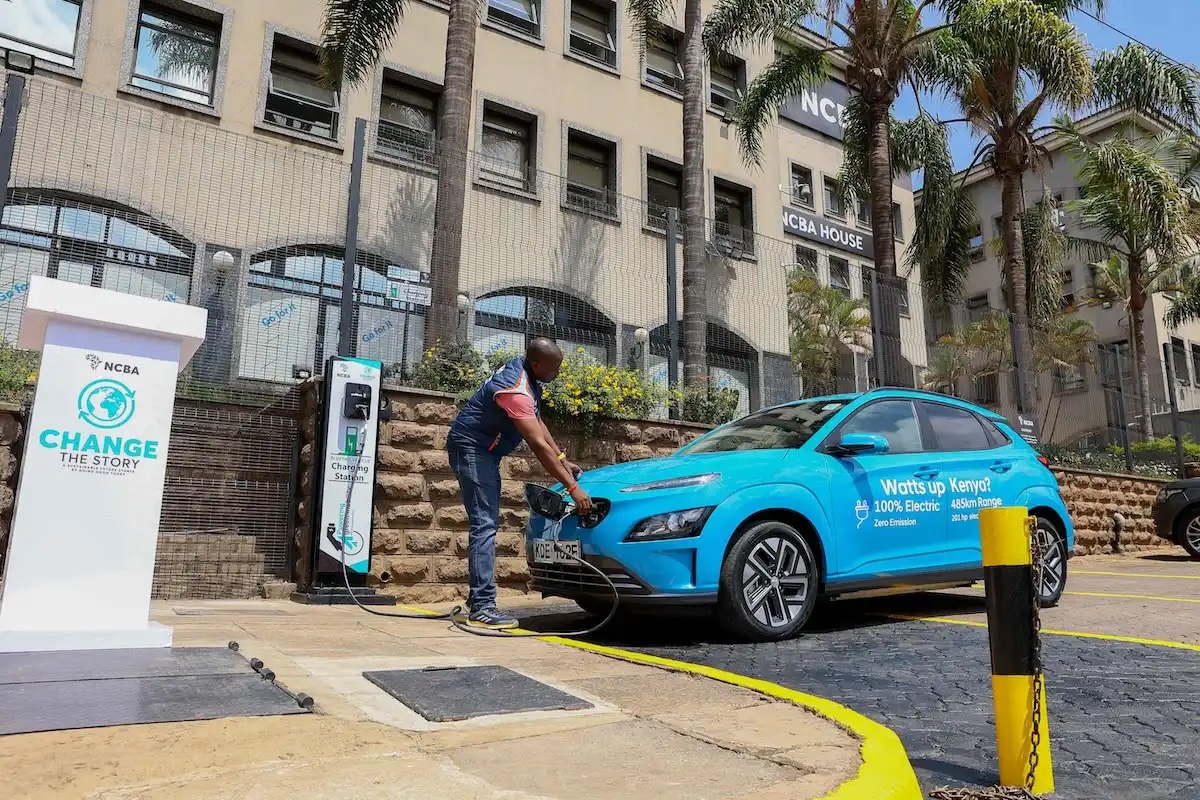
Nairobi, Feb 4 — The government has begun implementing a new set of tax incentives aimed at lowering the cost of electric vehicles and charging infrastructure, as part of a broader push to reduce fuel imports, cut emissions and reshape the transport sector.
The measures, announced through recent policy and tax changes, target electric vehicle components, batteries and charging equipment, which have historically attracted higher import and production costs than conventional petrol and diesel vehicles.
Officials say the incentives are designed to accelerate adoption of electric motorcycles, cars and buses, particularly in urban areas where transport emissions and fuel consumption remain high.
Transport accounts for a significant share of fossil fuel use, with most petroleum products imported. Rising global oil prices and currency pressures have repeatedly pushed up pump prices, placing strain on households and public transport operators.
The country has committed to cutting greenhouse gas emissions by 32% by 2030 under the Paris Agreement, with transport identified as one of the major sources of emissions.
Transport Cabinet Secretary Davis Chirchir said the incentives form part of the National Electric Mobility Policy, which seeks to reduce reliance on imported fuel.
While electric vehicles currently represent a small fraction of the overall vehicle fleet, uptake has accelerated in recent years, driven largely by electric motorcycles used by boda boda operators and pilot electric bus projects in Nairobi and other towns.
Industry players say upfront costs remain the biggest barrier to wider adoption. Electric motorcycles, for example, can cost significantly more than petrol-powered alternatives, despite lower running and maintenance expenses over their lifespan.
Government officials argue that easing tax pressure on EV inputs will help close that gap and stimulate local assembly, creating jobs while reducing dependence on imported fuel.
Analysts say that the country’s relatively clean electricity mix, dominated by geothermal, hydro and wind power, makes electric mobility more viable than in countries reliant on coal-based grids.
Still, challenges remain.
Charging infrastructure is sparse, particularly outside major urban centers, and concerns have been raised about how declining fuel consumption could affect revenue streams tied to fuel levies and road maintenance.
Officials say they are reviewing long-term financing models for road infrastructure to ensure sustainability as transport technologies evolve.
For commuters and operators, the immediate impact of the incentives may be gradual rather than dramatic.
Vehicle prices are unlikely to fall overnight, but proponents argue the policy sends a clear signal to investors, manufacturers and consumers that electric mobility is becoming a longer-term priority.