
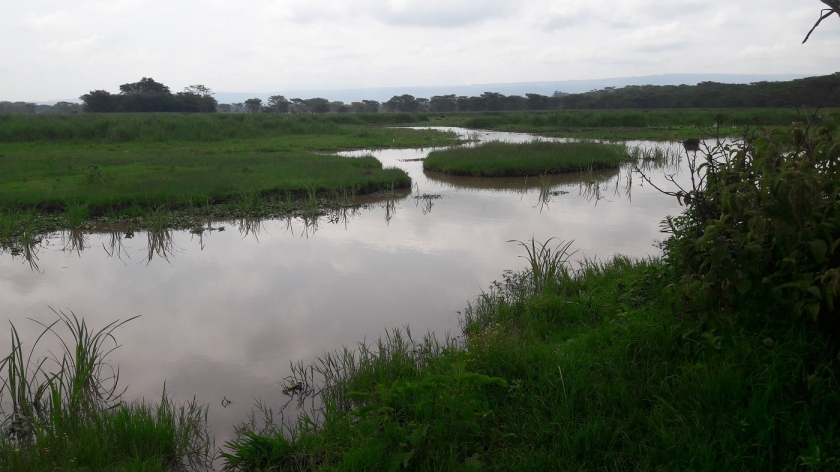
Wetlands Under Pressure as Kenya Marks World Wetlands Day 2026
By Chemtai Kirui
NAIROBI, Feb. 2 – Wetlands that regulate floods, filter water and support livelihoods nationwide are under growing pressure from human activity, prompting authorities and conservation groups to renew calls for protection on World Wetlands Day on Monday.
World Wetlands Day, marked on February 2, traces back to a 1971 international agreement aimed at protecting wetlands as vital water and wildlife systems. This year’s focus on traditional knowledge draws attention to how communities have historically managed wetlands, long before formal conservation laws existed.
The country hosts a wide range of wetlands, including marshes, swamps, peatlands, floodplains, rivers and deltas, supporting livelihoods from fishing and farming to pastoralism and tourism.
According to government and conservation estimates, wetlands cover a small fraction of the country’s land area, yet they provide outsized benefits — buffering floods, purifying water, storing carbon and serving as critical habitats for wildlife.
Commemorations took place in several counties, including Kajiado, Isiolo and parts of the Rift Valley, where local leaders underscored the need for stronger enforcement of wetland protection measures.
At Engong Spring wetlands in Loitoktok sub-county, local administrators ordered the removal of unauthorized water-pumping generators, citing pollution risks and damage to riparian zones.
Officials warned that unchecked abstraction and encroachment were degrading springs relied on by both communities and wildlife.
“Wetlands must be managed according to existing regulations so communities can benefit from them sustainably,” a local administrator said during the event.
Environmental groups cautioned that wetlands within major ecosystems such as Amboseli are under growing strain from land subdivision, overgrazing and infrastructure development, adding that the loss of these wetlands threatens wildlife migration routes and weakens the broader ecosystem’s ability to cope with climate extremes.
“Protecting wetlands today is an investment in the long-term health of the entire ecosystem,” a representative from a conservation organization told participants at a Kajiado County event.
Kenya is a signatory to the Ramsar Convention and has designated several wetlands of international importance under the treaty, including Lake Nakuru, Lake Naivasha, Lake Bogoria, Lake Baringo, the Tana River Delta and Yala Swamp.
These sites are globally recognized for their biodiversity, including migratory birds, fish species and large mammals.
Yala Swamp, one of the country’s largest freshwater wetlands, supports fishing communities and acts as a buffer for Lake Victoria, while the Tana River Delta sustains pastoralists and farmers and provides habitat for endangered species.
Conservationists warn that agricultural expansion, water diversion and industrial pollution continue to place these wetlands at risk.
Beyond designated Ramsar sites, many smaller and urban wetlands remain vulnerable.
Ondiri Wetland, the country’s largest known peatland located near Kikuyu town outside Nairobi, feeds the headwaters of rivers flowing into the Nairobi River system.
Rapid urban growth and pollution have intensified pressure on the wetland, prompting conservation groups and residents to advocate for its protection.
Some counties are taking steps toward restoration.
Ahead of World Wetlands Day, Nandi County authorities announced the rehabilitation of more than 500 acres of degraded wetlands, aiming to improve river flows, recharge groundwater and restore biodiversity.
County officials said the initiative aligns with national wetland management policies and climate adaptation goals.
Experts say that wetland restoration is increasingly critical as Kenya faces more frequent droughts and floods linked to climate change.
Healthy wetlands can absorb excess rainfall, reduce downstream flooding and sustain water supplies during dry periods.
This year’s focus on traditional knowledge has drawn attention to long-standing community practices that protected wetlands before the introduction of modern land tenure systems.
In many regions, wetlands were traditionally regarded as communal resources, governed by customary rules that restricted overuse and protected water sources.
Environmental advocates argue that integrating indigenous knowledge with formal conservation frameworks could strengthen wetland governance, particularly at the local level.
“Wetlands are not just ecological assets; they are cultural landscapes,” said a conservation expert familiar with community-led restoration efforts. “Recognizing how communities have historically managed these spaces is essential for their survival.”
As the country marks World Wetlands Day, conservationists warn that sustained political commitment, enforcement of existing laws and community involvement will be crucial to safeguarding wetlands—ecosystems that quietly support millions of lives while absorbing the shocks of a changing climate.